

.svg)



You've tried medication. You've adjusted your diet. You've worked with your doctor on ovulation induction. But your body still isn't responding the way you hoped. For some women with polycystic ovary syndrome, surgery becomes the next conversation. It's not the first line of treatment, and it's not right for everyone. But when medication-resistant PCOS stands between you and pregnancy, a surgical procedure called laparoscopic ovarian drilling may offer a path forward.
Key Takeaways
- Laparoscopic ovarian drilling can restore ovulation in approximately 70 to 80% of cases after clomiphene citrate failure.
- Pregnancy rates following the procedure range from approximately 30 to 55% within the first year, with most occurring in the first six months.
- The procedure carries risks including adhesion formation and potential ovarian reserve reduction.
- Surgery addresses fertility but does not improve metabolic symptoms like insulin resistance or cardiovascular risk.
What PCOS Surgery Actually Does
The most common surgical intervention for PCOS is laparoscopic ovarian drilling, sometimes called ovarian diathermy. This minimally invasive procedure uses heat or laser energy to create small punctures in the ovarian surface. The goal is not to remove tissue but to disrupt the thickened outer capsule of the ovary and destroy small areas of androgen-producing cells.
Women with PCOS typically have elevated luteinizing hormone and excess androgens like testosterone that prevent normal follicle development and ovulation. By creating controlled damage to specific ovarian tissue, the procedure reduces local androgen production. This shifts the hormonal environment enough that the ovaries can resume more regular ovulatory cycles.
The surgical technique
The procedure is performed under general anesthesia through small abdominal incisions. A surgeon inserts a laparoscope along with surgical instruments, then uses electrocautery or laser to make multiple small punctures across each ovary. The most widely used technique follows the "rule of four": four punctures per ovary, each 3 to 4 millimeters deep, applied for four seconds at 40 watts of energy, delivering approximately 640 joules per ovary.
Unlike the older technique of ovarian wedge resection, which involved removing a portion of the ovary through open surgery, laparoscopic ovarian drilling is far less invasive and carries a lower risk of adhesion formation.
How Ovarian Drilling Affects Hormones and Fertility
Within weeks to months after the procedure, many women experience a drop in testosterone, luteinizing hormone, and anti-Müllerian hormone levels. At the same time, follicle-stimulating hormone often rises slightly, creating a more favorable ratio for follicle maturation.
This rebalancing translates into real changes in ovulation patterns. Menstrual cycles become more regular, and the quality of ovulation improves. A Cochrane review estimates the chance of live birth following LOD at between 28% and 40%. These outcomes are comparable to gonadotropin-based ovulation induction but without the need for ongoing medication or the risk of ovarian hyperstimulation syndrome. The procedure may also reduce the risk of multiple pregnancies compared to gonadotropin therapy, since it restores the body's natural ovulation process rather than artificially stimulating multiple follicles at once.
When Doctors Recommend Surgery
Laparoscopic ovarian drilling is typically considered after a woman has failed to ovulate or conceive with clomiphene citrate, the standard oral medication for ovulation induction in PCOS. Some guidelines also suggest it as an option before moving to injectable gonadotropins, particularly for women who want to avoid the cost, monitoring requirements, and risks associated with those medications.
Specific criteria that make someone a candidate include:
- Clomiphene resistance, meaning no ovulation after three to six cycles at maximum doses.
- High luteinizing hormone levels or elevated androgens that may predict particularly strong response.
- Other reasons for laparoscopy, such as suspected endometriosis or tubal evaluation, allowing the surgeon to address multiple issues in one operation.
Surgery is not used to manage the metabolic aspects of PCOS. It does not improve insulin resistance, reduce cardiovascular risk, or address symptoms like hirsutism or acne. Those concerns are managed through lifestyle modification, medications like metformin, and hormonal therapies.
Risks and What Can Go Wrong
Like any surgical procedure, laparoscopic ovarian drilling carries risks. The most common concern is adhesion formation. Scar tissue can develop between the ovaries and surrounding structures like the fallopian tubes or pelvic sidewall, impairing the egg's ability to travel from the ovary into the tube and reducing fertility despite restored ovulation. Minimally invasive techniques and careful surgical practice have reduced this risk compared to older methods.
Another concern is ovarian reserve. Excessive drilling or too much energy delivered to the ovary can damage healthy follicles and reduce the pool of eggs available for future ovulation. This is why the "rule of four" exists: it represents a balance between delivering enough energy to achieve hormonal change without causing irreversible harm. In rare cases, ovarian drilling has been associated with premature ovarian insufficiency, though this is uncommon when the procedure is performed correctly.
Standard surgical risks also apply: bleeding, infection, injury to nearby organs like the bowel or bladder, and complications from anesthesia. These are rare but must be discussed during informed consent.
For women with both PCOS and endometriosis, surgical planning becomes more complex. Endometriosis may require excision or ablation of lesions, and the presence of endometriomas (ovarian cysts filled with old blood) can complicate ovarian drilling. In these cases, the surgeon must balance treating both conditions while minimizing damage to ovarian tissue.
Why Outcomes Vary
Not every woman who undergoes ovarian drilling will ovulate, and not every woman who ovulates will conceive. Several factors influence success rates.
Body weight and insulin resistance
Women with a lower body mass index tend to respond better to ovarian drilling. Obesity and severe insulin resistance can blunt the hormonal response to surgery, making ovulation less likely even after the procedure.
Age and ovarian reserve
Younger women with higher baseline ovarian reserve, reflected by markers like anti-Müllerian hormone, generally have better outcomes. As women age, egg quality declines and the ovarian response to any intervention diminishes.
Duration of infertility
Women who have been trying to conceive for shorter periods tend to have higher pregnancy rates after surgery compared to those with long-standing infertility. This may reflect other undiagnosed fertility factors that surgery cannot address, such as tubal damage or male factor infertility.
Hormonal profile
Women with very high luteinizing hormone levels or significantly elevated androgens may see more dramatic hormonal shifts after drilling, which can translate into better ovulation rates. Conversely, women with milder hormonal imbalances may not experience as pronounced a benefit.
Surgical technique
The number of punctures, depth, energy used, and surgeon experience all influence outcomes. Too little energy may not produce a hormonal effect. Too much can damage ovarian reserve. This is why the procedure should be performed by a surgeon experienced in reproductive surgery.
What Happens After Surgery
Recovery from laparoscopic ovarian drilling is typically quick. Most women go home the same day or after an overnight stay. Mild abdominal pain, bloating, and shoulder discomfort from residual gas used during laparoscopy are common for a few days. Most women return to normal activities within a week.
Ovulation may resume as early as two to four weeks after surgery, though it can take up to three months for hormonal changes to fully stabilize. Doctors often monitor ovulation using ultrasound or ovulation predictor kits during the first few cycles. If ovulation does not occur within three to six months, additional interventions like clomiphene citrate or gonadotropins may be added.
Pregnancy rates are highest in the first six months following surgery. If conception has not occurred by 12 months post-procedure, the likelihood of spontaneous pregnancy decreases, and assisted reproductive technologies like intrauterine insemination or in vitro fertilization may be considered.
Long-term follow-up is important. Some women experience a return of anovulation months or years after surgery as the ovaries revert to their baseline PCOS state. Repeat drilling is possible but less commonly performed due to concerns about cumulative ovarian damage.
Connecting Surgery to Broader Metabolic Health
While ovarian drilling addresses ovulation, it does not resolve the underlying metabolic dysfunction that defines PCOS for many women. Tracking markers like fasting glucose, hemoglobin A1c, and fasting insulin remains essential before and after surgery. Women with PCOS remain at elevated risk for type 2 diabetes and cardiovascular disease regardless of fertility outcomes.
Lipid panels, including triglycerides, HDL cholesterol, and apolipoprotein B, provide insight into cardiovascular risk. Inflammatory markers like high-sensitivity C-reactive protein can signal systemic inflammation that persists even when ovulation is restored.
For women with endometriosis, additional biomarkers may be relevant. Endometriosis is associated with chronic inflammation, and tracking markers like CA-125 or inflammatory cytokines can help assess disease activity, though these are not routinely measured outside of research settings.
Ovarian reserve testing with anti-Müllerian hormone and follicle-stimulating hormone is particularly important after ovarian drilling. A significant drop in anti-Müllerian hormone post-surgery may indicate excessive ovarian damage and should prompt a conversation about the timeline for further fertility treatment.
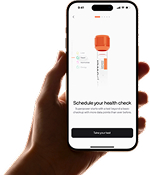
If you're navigating PCOS and considering surgical options, Superpower's 100+ biomarker panel gives you a complete picture of your hormonal, metabolic, and inflammatory health. Tracking these markers over time helps you and your doctor make informed decisions about when surgery makes sense and how your body is responding afterward.


.avif)
.avif)
.avif)


.jpg)
.avif)
.avif)
.jpg)
.avif)