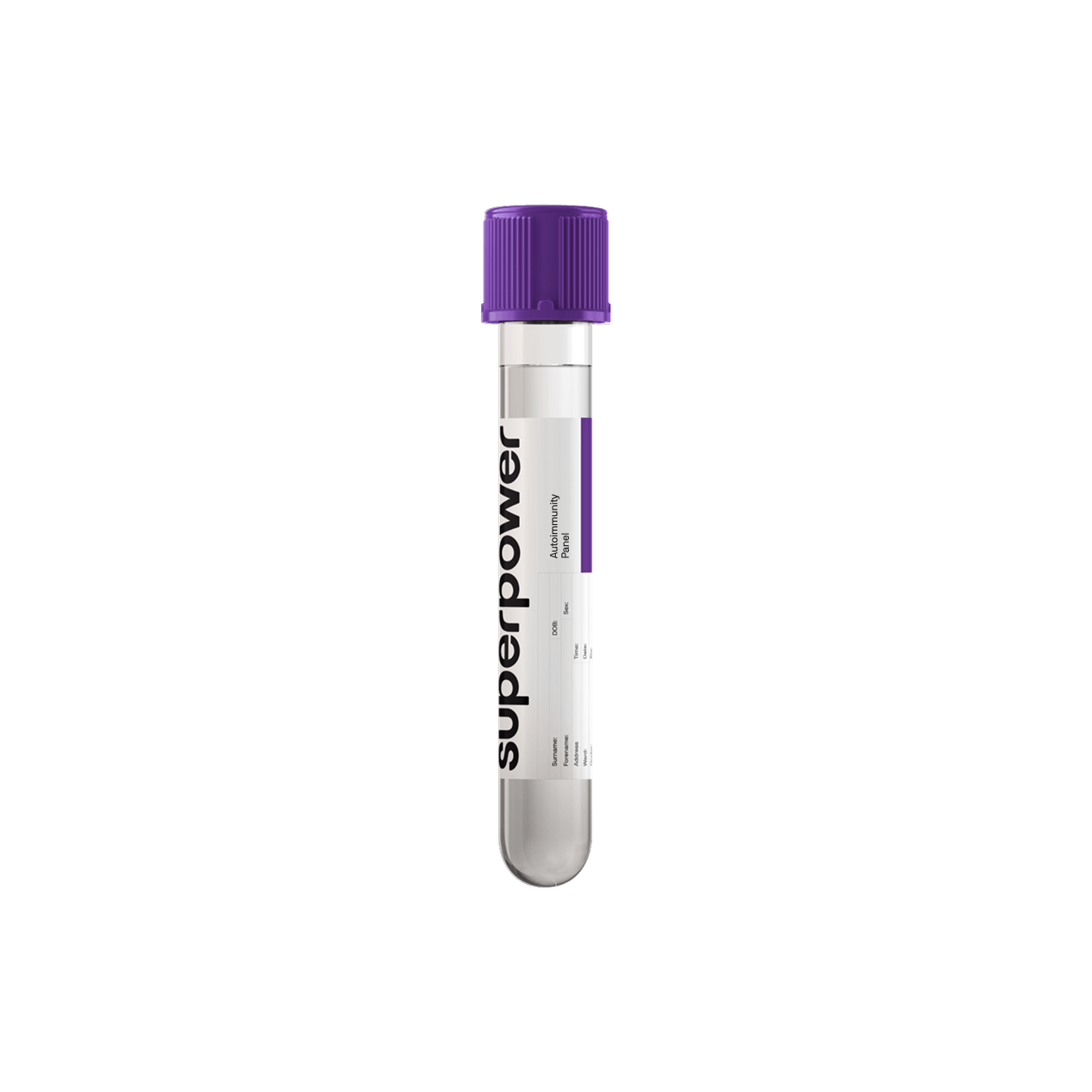
Test details
- Sample type:
- Single blood draw (blood only)
- Location:
- In-person at local lab / At-home phlebotomist visit (+$119)
- Availability:
- Available in 39 states and Washington, D.C.
- Turnaround:
- Results within 10 days
- Preparation:
- No fasting requiredNo need to stop antihistamines before your draw
About the Respiratory Allergy Panel
About 1 in 4 U.S. adults has environmental allergies, yet most people never find out what they are actually reacting to. They cycle through antihistamines, guess at triggers, and manage symptoms instead of identifying what is driving them. This panel focuses on the environmental triggers behind respiratory allergy symptoms: pollens, molds, dander, and dust mites. It measures specific IgE, the antibodies your immune system produces in response to individual allergens, across 20 of the most common environmental triggers in the U.S., plus Total IgE, your overall allergic baseline. Specific IgE tells you which allergens your immune system recognizes; Total IgE reflects how reactive your immune system is overall. Standard care rarely runs this kind of testing unless symptoms are severe or asthma is already diagnosed, which leaves most people guessing.
A positive result indicates your immune system has produced IgE antibodies to a given allergen; clinical allergy diagnosis requires provider interpretation alongside your symptom history.
Allergens this panel tests for
This panel screens for IgE reactivity to 20 specific environmental allergens, plus Total IgE.
- Trees — London plane, mountain juniper, silver birch, white ash, white elm, white mulberry, white oak
- Grasses — Bermuda grass, Timothy grass
- Weeds — Common pigweed, common ragweed, mugwort
- Molds — Alternaria alternata, Aspergillus fumigatus, Penicillium notatum
- Indoor, Pet and Insect — American house dust mite, European house dust mite, cat dander, dog dander, cockroach
Total IgE measures your overall immune reactivity rather than reactivity to any single allergen, giving context for how to read your specific IgE results.
Who benefits from testing
This panel is built for anyone whose allergy symptoms have never been traced to a specific trigger.
- Anyone with persistent sneezing, congestion, itchy or watery eyes, or post-nasal drip that does not resolve
- People whose symptoms worsen in spring or fall (tree and grass pollen) or year-round indoors (dust mites, pet dander, mold)
- Individuals who take antihistamines regularly but have not identified the specific trigger
- People with asthma, chronic sinus issues, or recurrent ear infections who want to identify environmental contributors
- Anyone planning to discuss allergen immunotherapy with a provider, since a specific IgE profile is typically required before this provider-prescribed step
- People who suspect pet dander, mold, or indoor allergens and want to confirm before making lifestyle changes
- Adults and children who experience allergy-pattern symptoms
Symptoms that may indicate an environmental trigger
Severity and timing vary by trigger: some symptoms flare seasonally, others persist year-round. The following may be associated with environmental allergen sensitivity:
- Sneezing, particularly in bursts or in specific environments
- Nasal congestion or runny nose without viral illness
- Itchy, watery, or red eyes
- Post-nasal drip and throat clearing
- Persistent cough or asthma flares
- Skin itching or hives after exposure to an animal
- Symptoms that worsen outdoors in spring or fall, or indoors year-round
Why a blood test matters
For many people, a blood IgE test may be preferred over a skin prick test. There is no allergen exposure during a blood draw, so there is no risk of an in-office reaction. You also do not need to stop taking antihistamines beforehand. Skin prick testing typically requires pausing them for several days, while blood testing does not. A single blood draw covers all 20 allergens at once, and the collection does not require a specialist appointment. For anyone who finds skin testing inconvenient or daunting, blood testing offers a practical alternative.
What your results reveal
You will learn exactly which allergens your immune system is reacting to, and how strongly. A positive specific IgE result indicates sensitization (your immune system recognizes that allergen), which may or may not correspond to active symptoms depending on your exposure. Total IgE adds context: a broadly reactive immune system can matter even when individual values look modest. From there, results become actionable. If tree pollen is the driver, preparing before the season starts becomes possible. If dust mites are involved, targeted bedding and humidity changes may reduce symptoms. And with a specific IgE profile in hand, a provider can discuss allergen immunotherapy, which can only be prescribed once specific triggers are known. Results combined with a provider's review of your symptom history give a clearer basis for next steps. Your Superpower care team can help you make sense of your IgE profile and plan next steps.
How it works
- Add the Respiratory Allergy Panel to your Superpower order.
- Schedule your draw at a local clinic, or book an optional at-home phlebotomist visit (+$119).
- No fasting required — You can eat and drink normally before your draw.
- Receive your results within 10 days.
- Review your results with the Superpower care team, or bring your IgE profile to your provider.
Frequently asked questions
Biomarkers tested
Alternaria alternata IgE measures your immune system's specific allergic antibody response to spores produced by Alternaria alternata, one of the most common outdoor molds worldwide.
Learn more

























 Heart & Vascular Health
 Metabolic Health
 Energy
 Liver Health
 Kidney
 Sex Hormones
 Thyroid Health
 Nutrients
 Immune System
 Inflammation