


Understand what your longevity results really mean
See your biomarkers in context with a comprehensive panel.
- CLIA-certified labs
- HIPAA compliant
- Personalized health protocol
Quick answer: The evidence-based pillars of health are sleep, physical activity, metabolic health, nutrition, stress resilience, and cardiovascular function. Each is measurable through biomarkers that track biological progress independent of subjective experience. No single intervention addresses all pillars simultaneously; the framework is most useful when it identifies which pillar most warrants attention in any individual person.
Why a framework matters for longevity
Longevity research increasingly supports a consistent set of biological priorities. These priorities are not complicated in principle, but they are often poorly sequenced in practice. People optimize sleep while neglecting metabolic health. They exercise consistently while remaining unaware of subclinical cardiovascular risk. They take supplements without knowing whether their levels of the underlying nutrients are low.
A pillar-based framework does something specific: it organizes the most evidence-backed levers for healthy aging into categories that can be assessed and acted on individually. This matters because biological age does not advance uniformly. A 45-year-old may have the cardiovascular profile of a 55-year-old while their metabolic markers are excellent. The goal is to identify which pillar is furthest from optimal and direct attention accordingly, using measurement to confirm both the problem and the response.
The core pillars and their biological basis
1. Sleep
Sleep is the most consequential restorative process in human biology. During slow-wave and REM sleep, the brain performs glymphatic clearance of metabolic waste including amyloid beta, consolidates memory, and releases the majority of daily growth hormone production. The cardiovascular system undergoes repair; the immune system produces cytokines. No other period in a 24-hour cycle accomplishes as much physiological maintenance.
Chronic sleep deprivation is associated with insulin resistance, elevated hs-CRP, impaired immune function, disrupted cortisol rhythms, and accelerated biological aging. Conversely, a 2020 eLife study examining nine biological age measures across a 20-year follow-up confirmed that methylation-based age estimators and frailty indices are independently associated with mortality risk, and that the lifestyle factors most strongly associated with favorable biological aging include sleep quality alongside diet and physical activity.
Direct sleep biomarkers are not measured in blood panels. However, markers that reflect poor sleep include elevated morning cortisol, elevated fasting insulin, and raised hs-CRP, as poor sleep disrupts each of these pathways. Optimizing sleep is therefore reflected in, and reinforced by, monitoring these markers over time.
2. Physical activity and muscle mass
Physical activity is among the most consistently documented predictors of longevity across population studies. Its benefits are mediated through multiple pathways: reduced visceral adiposity, improved insulin sensitivity, enhanced cardiovascular function, maintenance of lean mass, and direct anti-inflammatory effects. A 2025 umbrella review in Innovation in Aging confirmed that long-term exercise interventions reduce inflammatory markers including CRP, TNF-alpha, and IL-6 in older adults, providing a measurable biological mechanism behind the longevity associations.
Muscle mass is increasingly recognized as an independent longevity biomarker. Sarcopenia (loss of skeletal muscle mass and function with age) is associated with metabolic deterioration, increased fall risk, and accelerated mortality. Resistance training specifically, as opposed to cardiovascular exercise alone, is the primary evidence-based approach to maintaining muscle mass through aging.
Relevant markers: fasting insulin (exercise improves insulin sensitivity), hs-CRP (physical activity reduces chronic inflammation), and IGF-1, which reflects anabolic signaling associated with muscle maintenance.
3. Metabolic health
Metabolic health may be the single most actionable pillar for most adults, because metabolic dysfunction is highly prevalent and often asymptomatic until it is advanced. Research suggests that only a minority of American adults qualify as metabolically healthy by all five criteria: normal waist circumference, triglycerides, HDL, blood pressure, and fasting glucose. Insulin resistance develops years to decades before type 2 diabetes and is associated with accelerated cardiovascular aging, cognitive decline, and increased cancer risk during that interval.
The critical insight from longitudinal metabolic research is that fasting insulin is a more sensitive early indicator of metabolic dysfunction than fasting glucose or HbA1c. Insulin rises to compensate for early insulin resistance years before glucose rises to a diagnostic threshold. Waiting for HbA1c to reach the pre-diabetic range to identify metabolic risk is equivalent to arriving at the problem late.
Key metabolic markers: fasting glucose, HbA1c, fasting insulin, triglycerides, ApoB, and waist circumference as a clinical correlate.
4. Cardiovascular function
Cardiovascular disease remains the leading cause of death in most high-income countries. The biological processes that drive it, specifically atherogenesis, begin decades before clinical events. The traditional risk framework centered on LDL cholesterol has been substantially refined by evidence that particle number (measured by ApoB) and inflammatory burden provide more accurate risk estimates than cholesterol concentration alone.
A landmark 2024 study in the New England Journal of Medicine tracking 30-year cardiovascular outcomes in women found that a combined measure of hs-CRP, LDL cholesterol, and lipoprotein(a) outperformed any single marker for long-term cardiovascular risk prediction, highlighting the multi-marker nature of cardiovascular risk assessment.
Relevant markers: ApoB, lipoprotein(a), hs-CRP, homocysteine, triglycerides, and blood pressure.
5. Nutrition and micronutrient status
Macronutrient quality and micronutrient adequacy are separate concerns that are often conflated. A person can eat an objectively high-quality diet and still carry subclinical deficiencies in vitamin D, B12, iron, magnesium, or omega-3 fatty acids, because individual absorption, gut microbiome composition, genetic factors, and food preparation all influence nutrient availability from the diet.
A 2020 review in Nutrients confirmed that B vitamins, vitamin C, iron, magnesium, and zinc play crucial roles in cognitive and psychological processes, and that their deficiency leads to fatigue and mental symptoms, indicating that micronutrient status has direct functional consequences that are often misattributed to other causes.
Relevant markers: 25-OH vitamin D, vitamin B12, ferritin, homocysteine (as a functional methylation marker), and RBC magnesium where available.
6. Stress resilience and hormonal balance
Chronic psychological stress activates the hypothalamic-pituitary-adrenal (HPA) axis, sustaining cortisol elevation that drives inflammation, impairs sleep, promotes visceral fat accumulation, and suppresses immune function. Chronic stress is also associated with telomere shortening, an established biological marker of accelerated cellular aging, confirmed in a 2021 Ageing Research Reviews study documenting the mechanisms by which psychological stress impairs telomere maintenance.
In men, chronic stress suppresses testosterone production via HPA-HPG axis interactions. Elevated cortisol and low testosterone is a pattern associated with reduced muscle mass, increased visceral adiposity, and diminished quality of life. Monitoring both the metabolic consequences of chronic stress and direct hormonal markers provides a more complete picture than symptom assessment alone.
Relevant markers: total testosterone and free testosterone, TSH (thyroid function is highly sensitive to stress-related disruption), and hs-CRP as a downstream marker of chronic stress-driven inflammation.
Which biomarkers provide the most comprehensive view across all pillars?
- Metabolic health — fasting insulin, HbA1c, fasting glucose, triglycerides
- Cardiovascular function — ApoB, Lp(a), hs-CRP, homocysteine
- Nutrition status — ferritin, vitamin D, vitamin B12, homocysteine
- Hormonal balance — total and free testosterone, TSH, SHBG
- Inflammation and recovery — hs-CRP, ferritin, WBC differential
- Biological aging — Biological age score, pace of aging, ApoB, and insulin resistance markers. Included in Superpower Baseline Panel
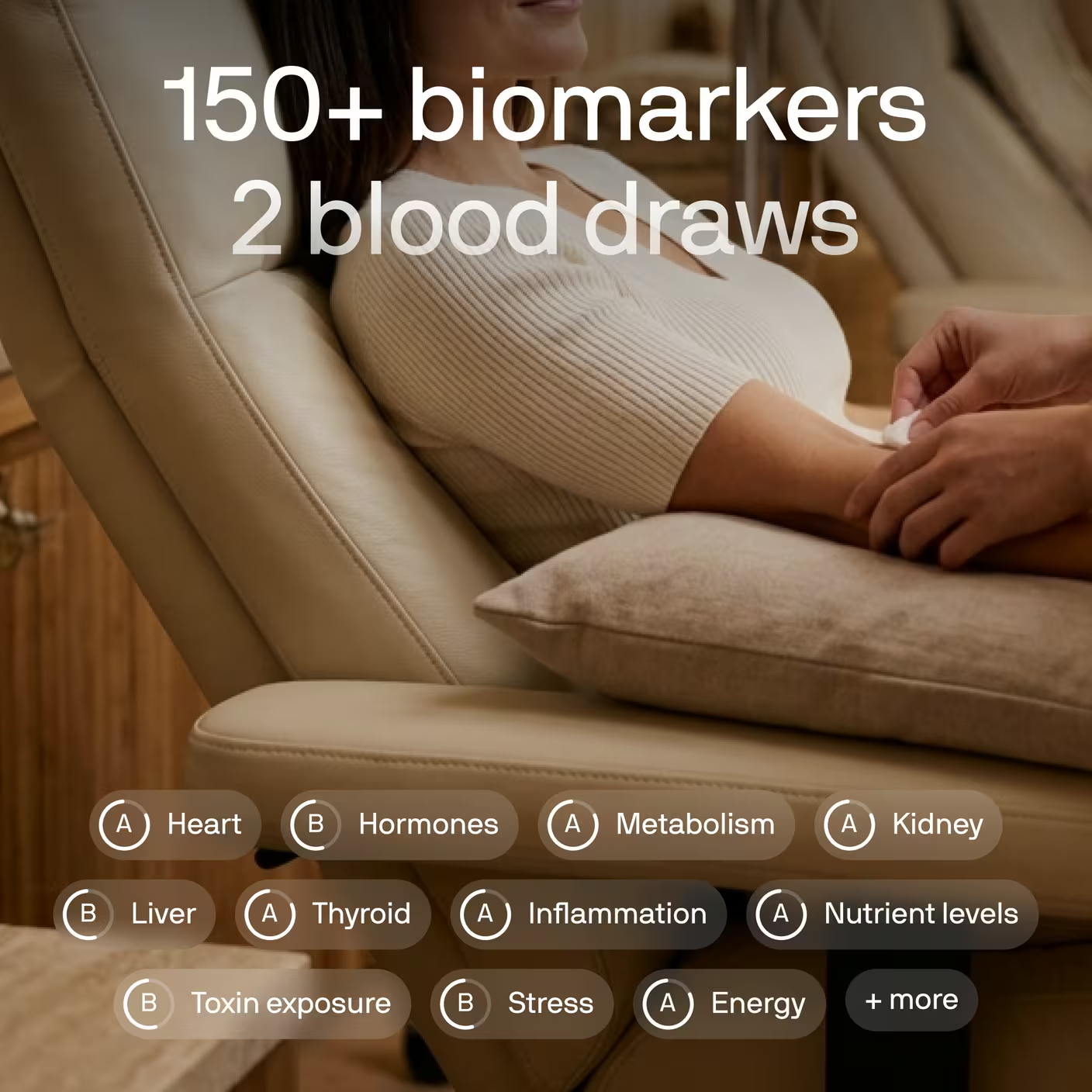
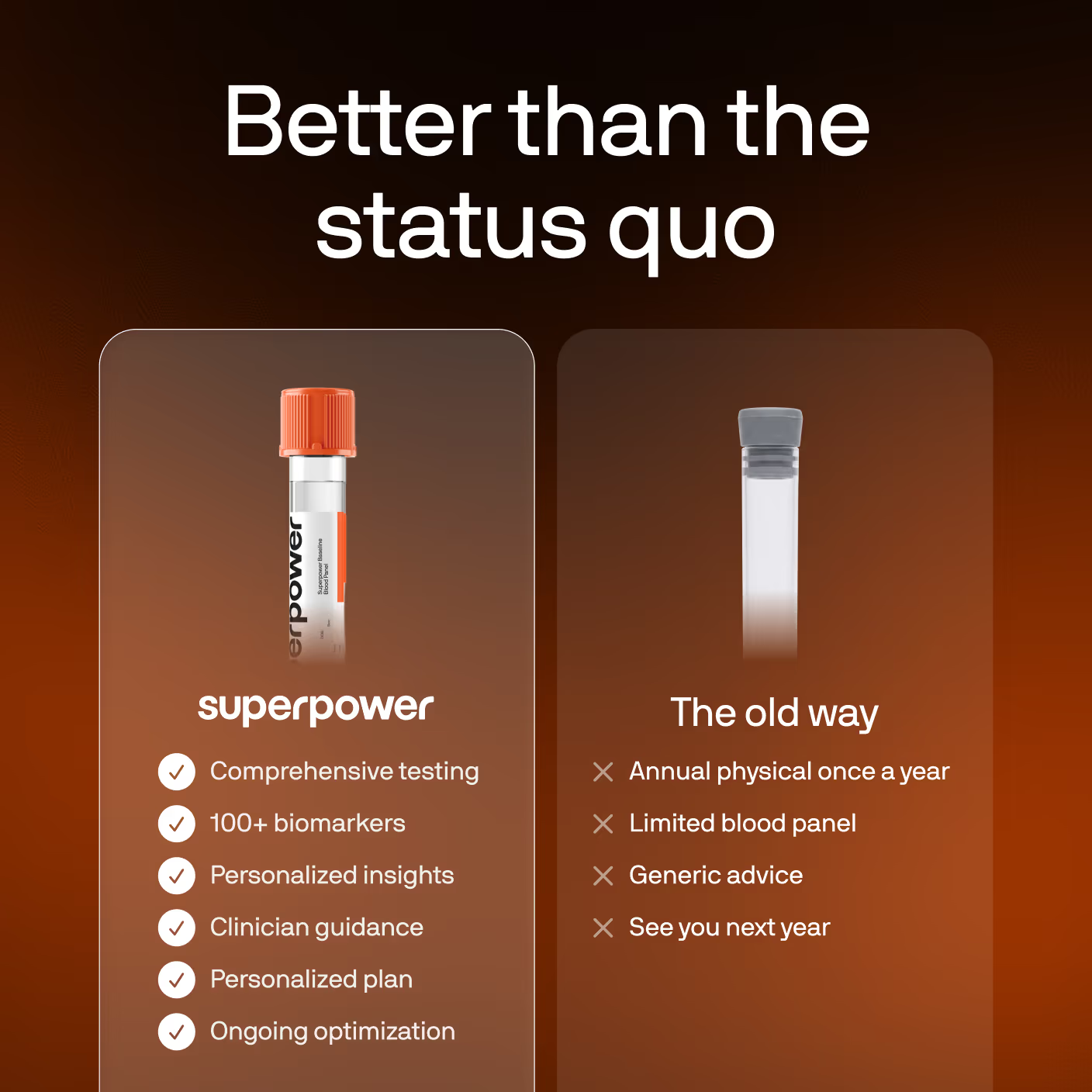
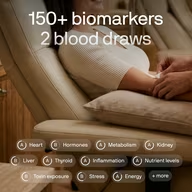
Superpower's Baseline Blood Panel measures 150+ biomarkers with a built-in retest across metabolic, cardiovascular, hematological, and nutritional domains, including biological age and pace of aging calculations derived from established markers. It provides a comprehensive assessment across all six pillars described above.
Test 150+ biomarkers
Two blood draws. A full picture of your health, explained in plain language.
Test 150+ biomarkers
Two blood draws. A full picture of your health, explained in plain language.
How to use this framework in practice
The pillars framework is most useful when it shifts the question from "how do I generally improve my health?" to "which pillar is currently most limiting my health trajectory?" For most people at a given moment, one or two pillars are substantially further from optimal than the others. Identifying those through measurement, addressing them with evidence-based interventions, and confirming the biological response through repeat testing is the practical application of this framework.
Annual comprehensive blood testing provides the data layer that makes this possible. Without measurement, the pillar most in need of attention is often not the one receiving it.
Frequently asked questions
The markers with the strongest evidence for longevity prediction include ApoB (cardiovascular risk), fasting insulin (metabolic health), hs-CRP (systemic inflammation), biological age estimators, and ferritin (iron stores and nutrient status). These, combined with TSH and vitamin D, cover the major biological systems most relevant to healthy aging and are included in Superpower's Baseline Blood Panel.
Annual comprehensive testing is a reasonable starting point for most adults. More frequent monitoring (every three to six months) is appropriate when actively addressing a specific deficiency or condition, when making significant lifestyle changes, or when managing known cardiovascular or metabolic risk. The cadence should be guided by a provider based on your specific health picture and goals.
The distinction between reversing chronological aging (not possible) and improving biological aging markers (possible and documented) is important. Multiple studies have shown that lifestyle interventions including dietary changes, exercise, sleep optimization, and stress management are associated with favorable shifts in biological age measurements including methylation clocks and inflammatory markers. This is not the same as reversing aging; it is shifting the biological rate at which aging-related changes accumulate, which is the meaningful clinical goal.
No single pillar is universally most important, because the relative contribution of each varies by individual, age, and current health status. For someone with significant insulin resistance, the metabolic pillar may represent the greatest risk. For someone with chronic sleep deprivation, sleep is likely the primary driver of their adverse inflammatory and metabolic markers. Testing provides the information to make this determination individually rather than generically.
Chronic psychological stress is a significant driver of accelerated biological aging through its effects on cortisol, inflammation, and telomere length. However, it operates in interaction with the other pillars: poor metabolic health amplifies the consequences of stress; good cardiovascular fitness buffers its effects. The evidence points toward the pillars as an integrated system rather than a ranked hierarchy, with stress resilience as one important dimension alongside the others.
This article is for informational purposes only and does not constitute medical advice. Always consult a qualified healthcare provider before making changes to your health routine. Superpower offers blood panels that include the biomarkers discussed in this article. Links to individual tests are provided for informational context.
Frequently Asked Questions
References
- Chong PLH, Garic D, Shen MD, Lundgaard I, Schwichtenberg AJ (2022). Sleep, cerebrospinal fluid, and the glymphatic system: A systematic review. *Sleep medicine reviews*, *61*, 101572. https://doi.org/10.1016/j.smrv.2021.101572
- Reutrakul S, Van Cauter E (2018). Sleep influences on obesity, insulin resistance, and risk of type 2 diabetes. *Metabolism: clinical and experimental*, *84*, 56-66. https://doi.org/10.1016/j.metabol.2018.02.010
- Li X, Ploner A, Wang Y, Magnusson PK, Reynolds C, Finkel D, Pedersen NL, Jylhävä J, Hägg S (2020). Longitudinal trajectories, correlations and mortality associations of nine biological ages across 20-years follow-up. *eLife*, *9*. https://doi.org/10.7554/elife.51507
- Mathot E, Hemadeh A, Knoop V, Bautmans I, Lema-Arranz C, Lorenzo-López L, Valdiglesias V, Laffon B (2025). The effect of physical interventions in older adults on inflammatory markers (IL-6, IL-10, CRP, TNF-α): an umbrella review of systematic reviews and meta-analyses. *Innovation in aging*, *9*(7), igaf072. https://doi.org/10.1093/geroni/igaf072
- Yuan S, Larsson SC (2023). Epidemiology of sarcopenia: Prevalence, risk factors, and consequences. *Metabolism: clinical and experimental*, *144*, 155533. https://doi.org/10.1016/j.metabol.2023.155533
- O'Hearn M, Lauren BN, Wong JB, Kim DD, Mozaffarian D (2022). Trends and Disparities in Cardiometabolic Health Among U.S. Adults, 1999-2018. *Journal of the American College of Cardiology*, *80*(2), 138-151. https://doi.org/10.1016/j.jacc.2022.04.046
- Roth GA, Mensah GA, Johnson CO, Addolorato G, Ammirati E, Baddour LM, Barengo NC, Beaton AZ, Benjamin EJ, Benziger CP, Bonny A, Brauer M, Brodmann M, Cahill TJ, Carapetis J, Catapano AL, Chugh SS, Cooper LT, Coresh J, ... GBD-NHLBI-JACC Global Burden of Cardiovascular Diseases Writing Group (2020). Global Burden of Cardiovascular Diseases and Risk Factors, 1990-2019: Update From the GBD 2019 Study. *Journal of the American College of Cardiology*, *76*(25), 2982-3021. https://doi.org/10.1016/j.jacc.2020.11.010
- Glavinovic T, Thanassoulis G, de Graaf J, Couture P, Hegele RA, Sniderman AD (2022). Physiological Bases for the Superiority of Apolipoprotein B Over Low-Density Lipoprotein Cholesterol and Non-High-Density Lipoprotein Cholesterol as a Marker of Cardiovascular Risk. *Journal of the American Heart Association*, *11*(20), e025858. https://doi.org/10.1161/JAHA.122.025858
- Ridker PM, Moorthy MV, Cook NR, Rifai N, Lee IM, Buring JE (2024). Inflammation, Cholesterol, Lipoprotein(a), and 30-Year Cardiovascular Outcomes in Women. *The New England journal of medicine*, *391*(22), 2087-2097. https://doi.org/10.1056/nejmoa2405182
- Tardy AL, Pouteau E, Marquez D, Yilmaz C, Scholey A (2020). Vitamins and Minerals for Energy, Fatigue and Cognition: A Narrative Review of the Biochemical and Clinical Evidence. *Nutrients*, *12*(1). https://doi.org/10.3390/nu12010228
- Liu PY, Reddy RT (2022). Sleep, testosterone and cortisol balance, and ageing men. *Reviews in endocrine & metabolic disorders*, *23*(6), 1323-1339. https://doi.org/10.1007/s11154-022-09755-4
- Lin J, Epel E (2022). Stress and telomere shortening: Insights from cellular mechanisms. *Ageing research reviews*, *73*, 101507. https://doi.org/10.1016/j.arr.2021.101507























 Heart & Vascular Health
 Metabolic Health
 Energy
 Liver Health
 Kidney
 Sex Hormones
 Thyroid Health
 Nutrients
 Immune System
 Inflammation